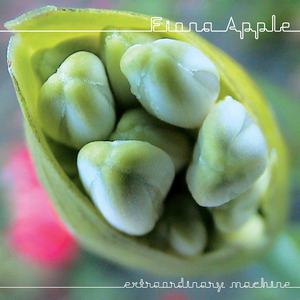
The Extraordinary Machine has made a lasting impact on music lovers even 20 years after the initial release by music artist Fiona Apple in 2005. Her innovative approach to art pop and chamber pop earned the album critical acclaim, including a Grammy nomination for Best Pop Vocal Album and recognition from Rolling Stone as one of the best albums of the 2000s. Fiona Apple grasps the idea of finding strength in oneself even after struggle; even after you’re torn down by life and those close to you, you still have the ability to push past hardships and try to rise above and put yourself first. Like in the first track, “Extraordinary Machine,” Fiona reminds herself she’s strong when those close to her worry about her. The title track seemingly explores the willingness to acknowledge one’s own faults and consistently evolve from them.
In this album, she also explores the struggle of being in a relationship with someone who constantly wears you down verbally and has drained her of her happiness. This is specifically shown in the 11th track called “Not about love” with the lyrics “And last night’s phrases, sick with lack of basis, are still writhing on my floor.” These lyrics show how the relationship is a lost cause and how old words still sting. Also in the third track “O’sailor,” she speaks of her feeling abandoned and how nothing she acquires in the relationship is easy. It’s especially evident with the lyrical phase ”O’ sailor, why’d you do it? What’d you do that for?” That phase plays on the stereotype that sailors are harsh lovers and have a multitude of affairs, and Fiona feels abandoned by the relationship. This suggests she was abandoned for another woman or learned of other affairs.
Fionna Apple also explores the idea of vengefulness in getting wronged in a relationship during the second track, “Get Him Back.” This can be seen with the lyrical phrase, ”As I figure how to kill what I cannot catch.” This implies how deeply the rejection she endured still haunts her and how she wants to take revenge on him, but is unable to get him in her grasp. She also touches on this subject in the eighth song on the track called “Oh Well” when she talks about the anxiety she feels with the current love she’s in, how she wants to be loved fully and how she’s been treated like this in past relationships. This is shown with the lyrics, “What wasted unconditional love on somebody who doesn’t believe in the stuff.” This implies the fact that Fiona Apple feels like she isn’t getting any gratitude or appreciation from the person she’s loving unconditionally.
In this album, she brings light to the heavy dealings she had to live with as someone with obsessive-compulsive disorder and how recovery isn’t a linear process. Even two decades later, both longtime fans of Fiona Apple and new listeners of her continue to connect with its lyric-driven depth and influence. Fiona Apple’s raw emotion, personal experiences and musical talent continue to resonate powerfully with people of all ages, making the album timeless and resonating with so many people.